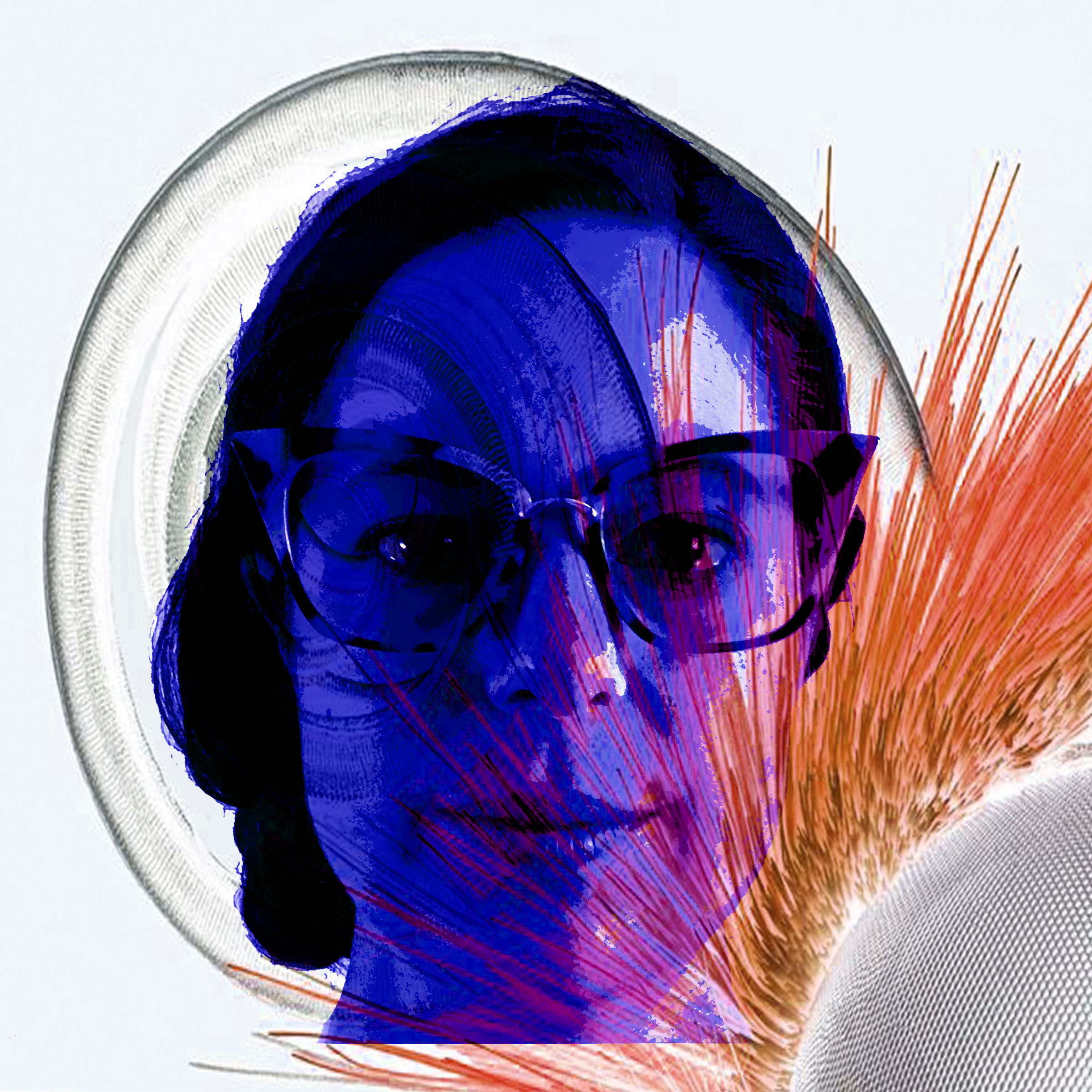
Casting Shadows
A Solo Exhibition by Mandy Bass
Explore the cost of human progress
—one bird at a time.
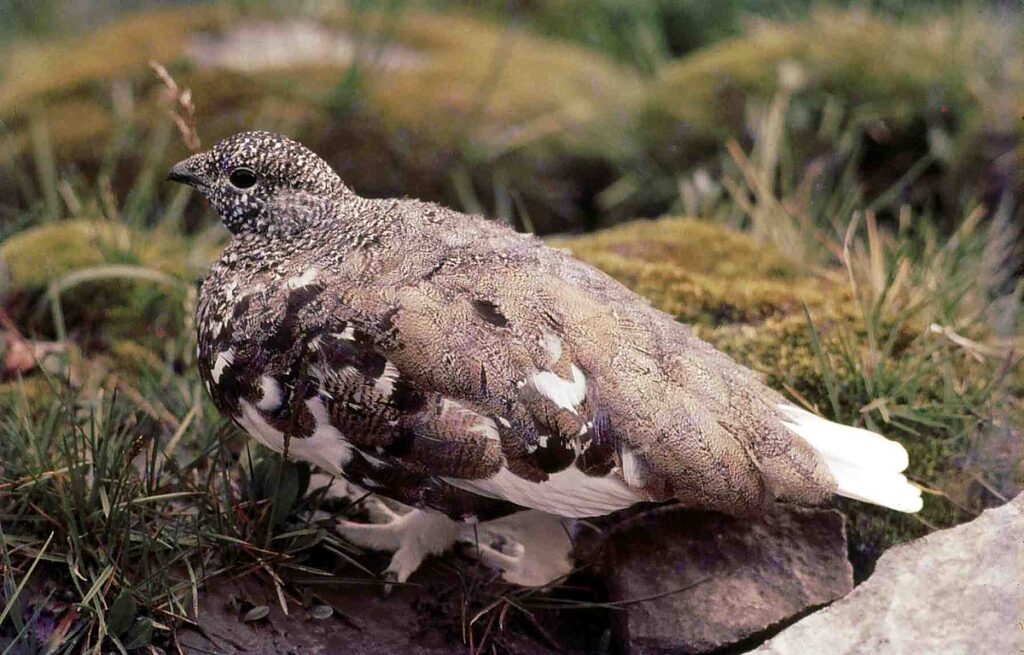
Image credit: John Hill, CC BY-SA 3.0 https://creativecommons.org/licenses/by-sa/3.0, via Wikimedia Commons
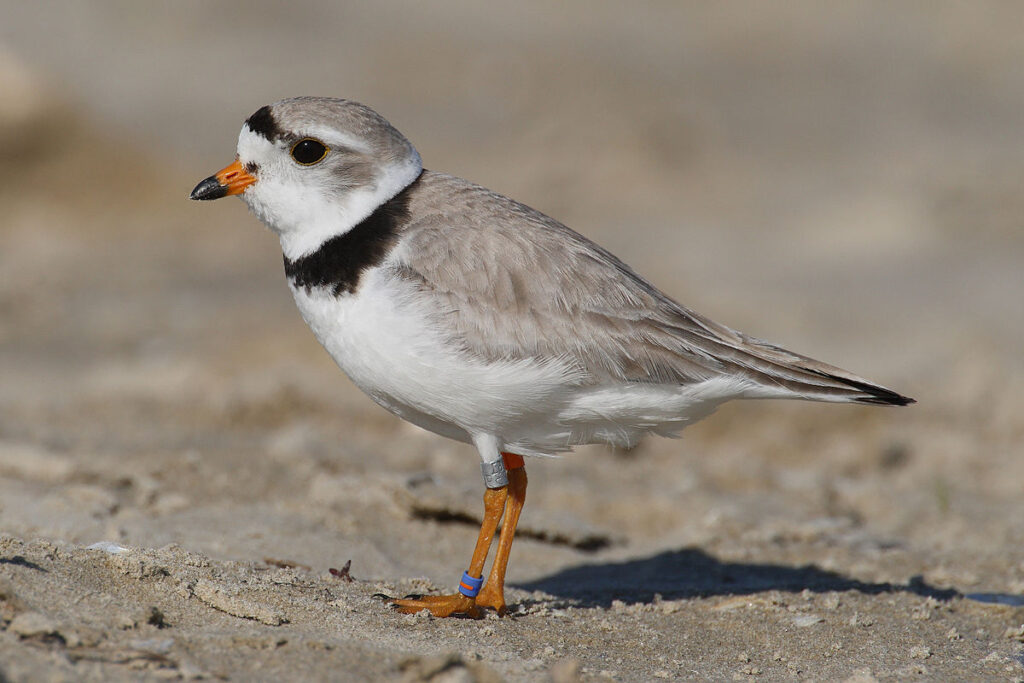
Image credit: Mdf, CC BY-SA 3.0 http://creativecommons.org/licenses/by-sa/3.0/, via Wikimedia Commons
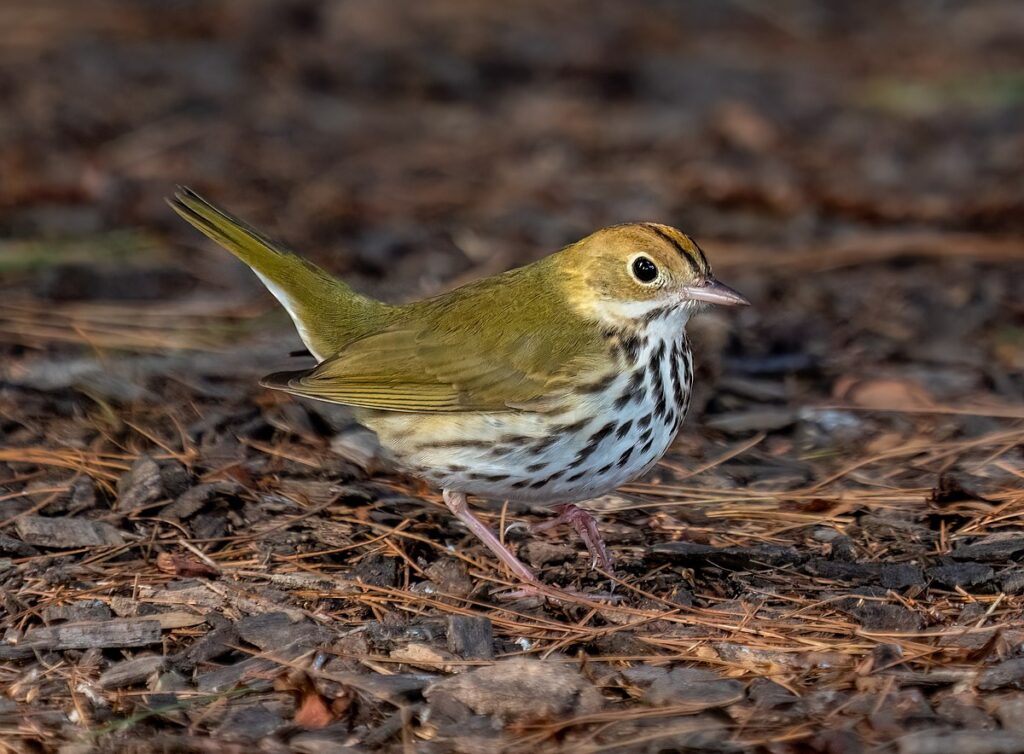
Image credit: Rhododendrites, CC BY-SA 4.0 https://creativecommons.org/licenses/by-sa/4.0, via Wikimedia Commons
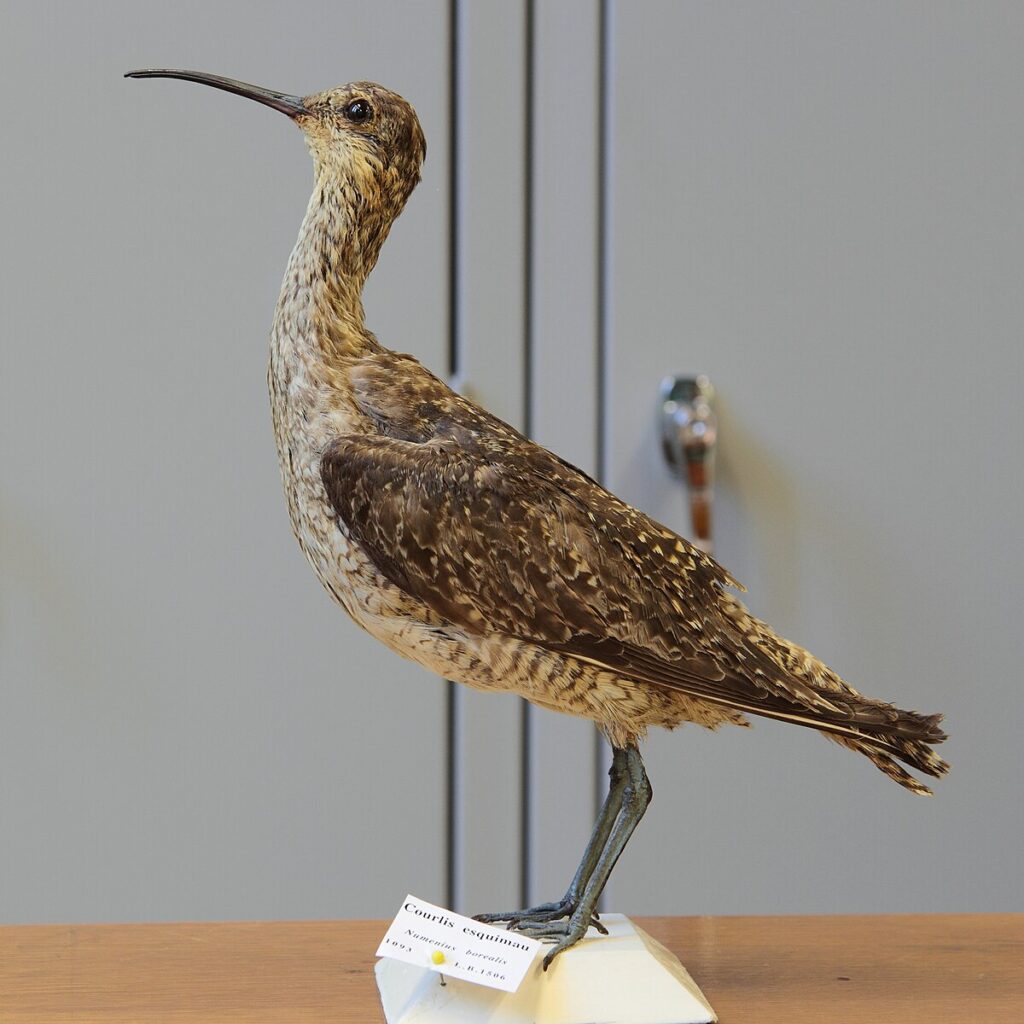
Image credit: Cephas, CC BY-SA 3.0 https://creativecommons.org/licenses/by-sa/3.0, via Wikimedia Commons
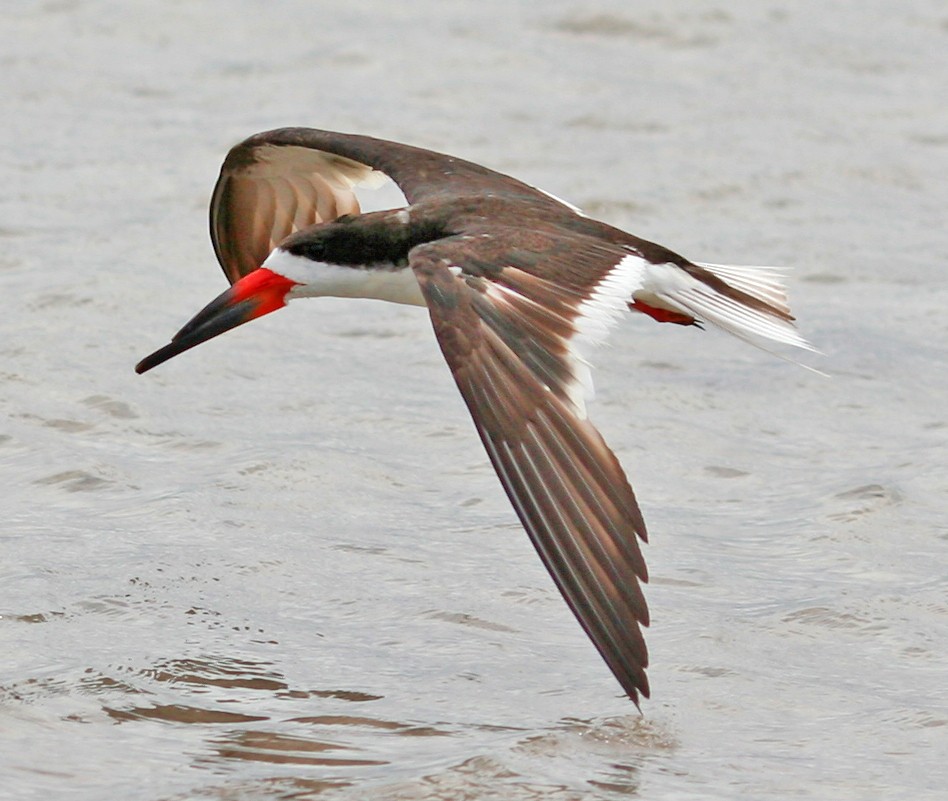
Image credit: Terry Foote, CC BY-SA 2.0 https://creativecommons.org/licenses/by-sa/2.0, via Wikimedia Commons
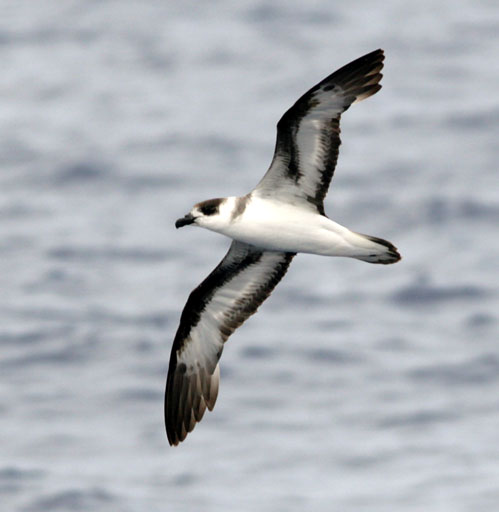
Image credit: Patrick Coin (Patrick Coin), CC BY-SA 2.5 https://creativecommons.org/licenses/by-sa/2.5, via Wikimedia Commons
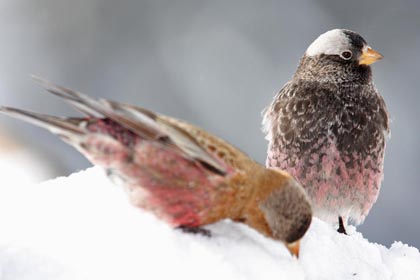
Image credit; Athen66 at English Wikipedia, CC BY 3.0 https://creativecommons.org/licenses/by/3.0, via Wikimedia Commons
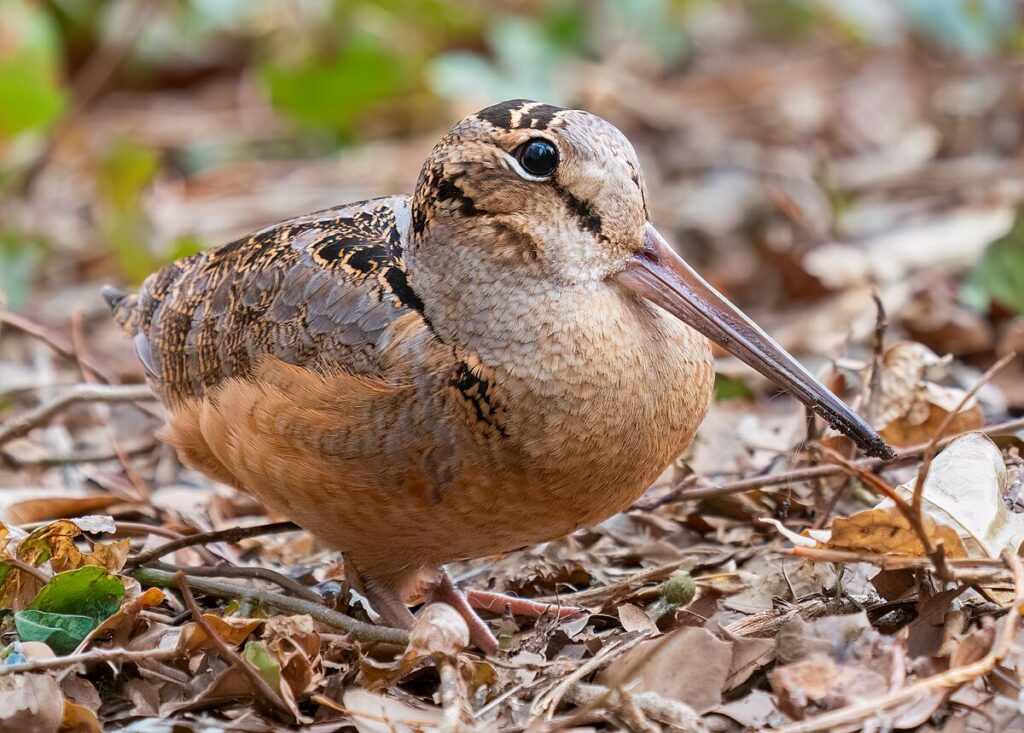
Image credit: Rhododendrites, CC BY-SA 4.0 https://creativecommons.org/licenses/by-sa/4.0, via Wikimedia Commons
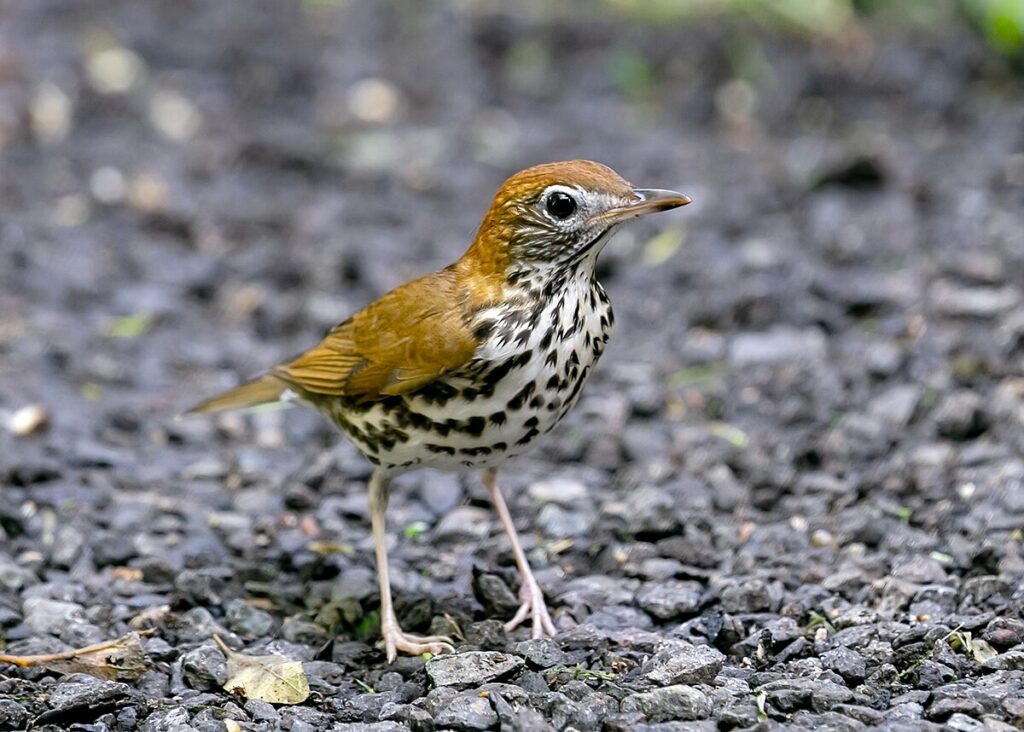
Image credit: Charlie Jackson, CC BY 2.0 https://creativecommons.org/licenses/by/2.0, via Wikimedia Commons
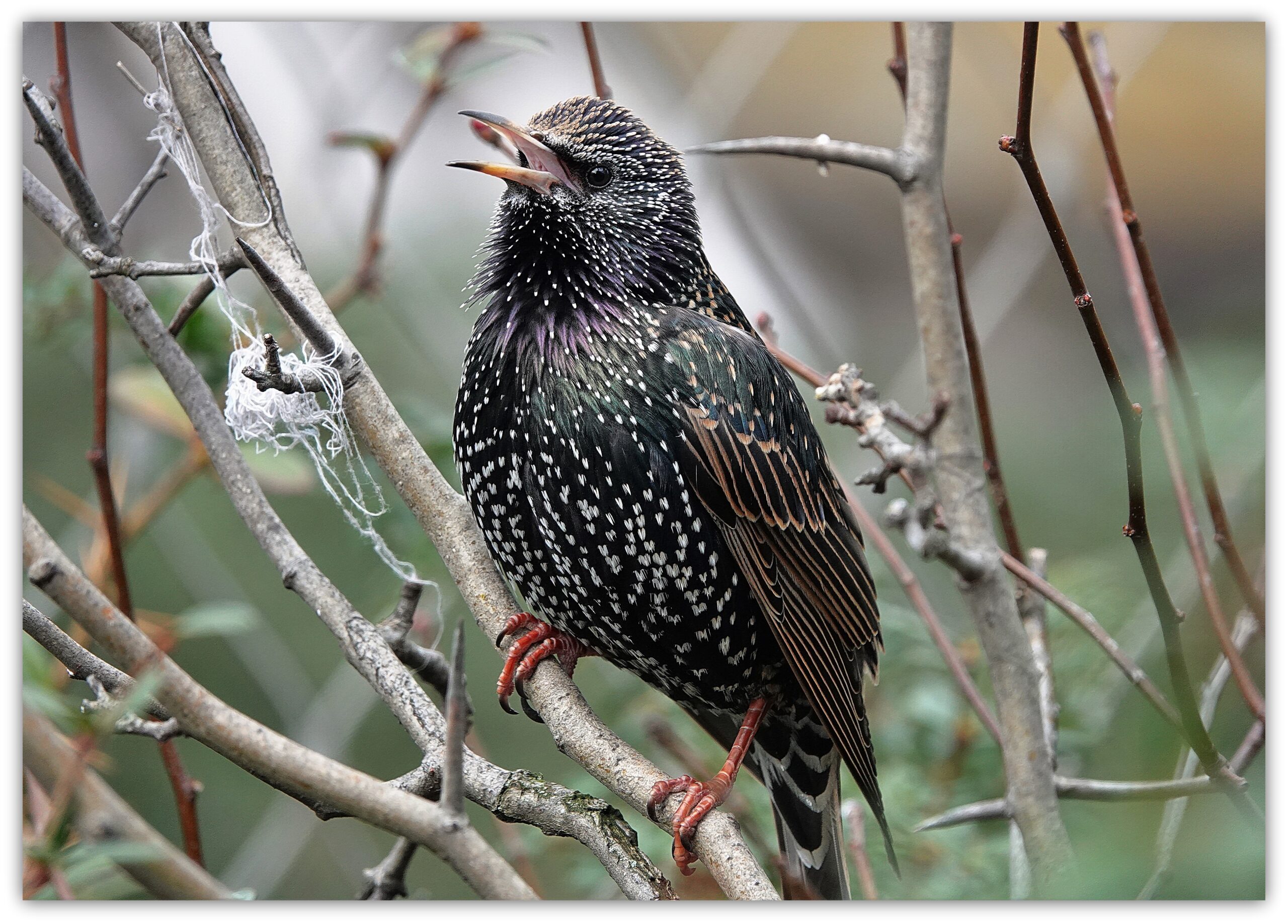
Rolf Dietrich Brecher from Germany, CC BY 2.0 https://creativecommons.org/licenses/by/2.0, via Wikimedia Commons
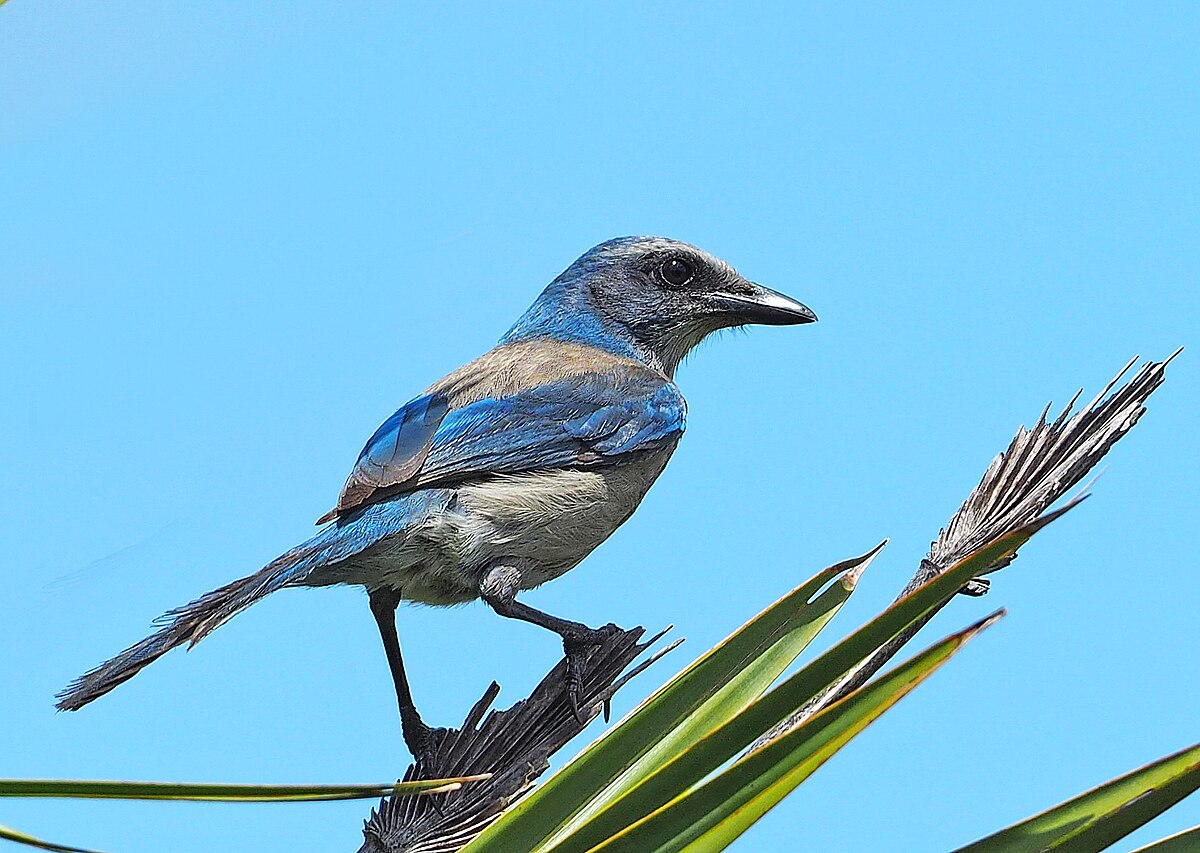
Image credit: Judy Gallagher, CC BY 2.0 https://creativecommons.org/licenses/by/2.0, via Wikimedia Commons
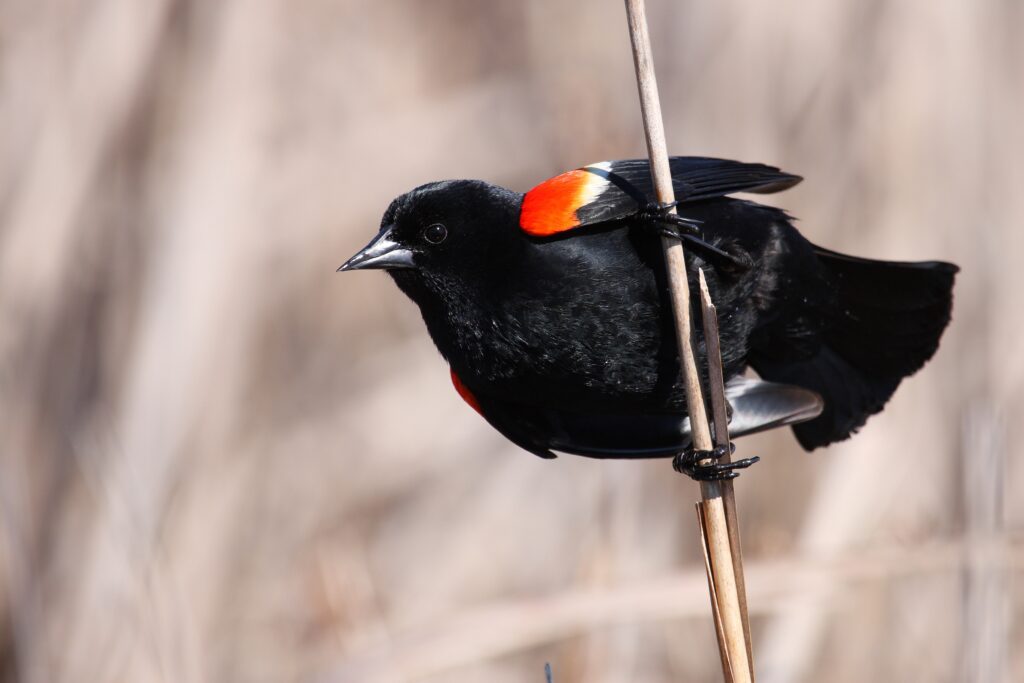
Image credit: Cephas, CC BY-SA 3.0
https://creativecommons.org/licenses/by-sa/3.0, via Wikimedia Commons
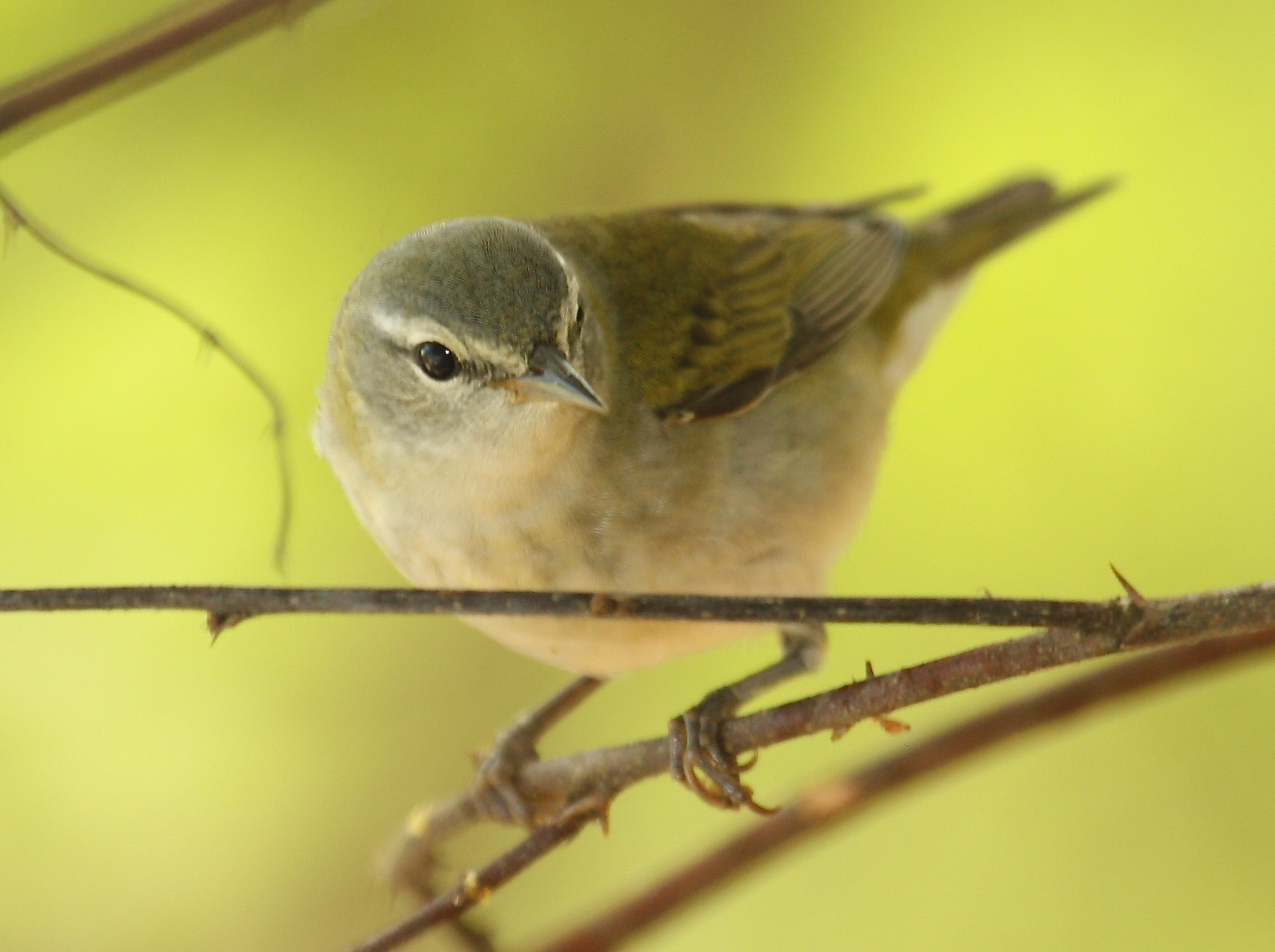
TonyCastro, CC BY-SA 4.0 https://creativecommons.org/licenses/by-sa/4.0, via Wikimedia Commons
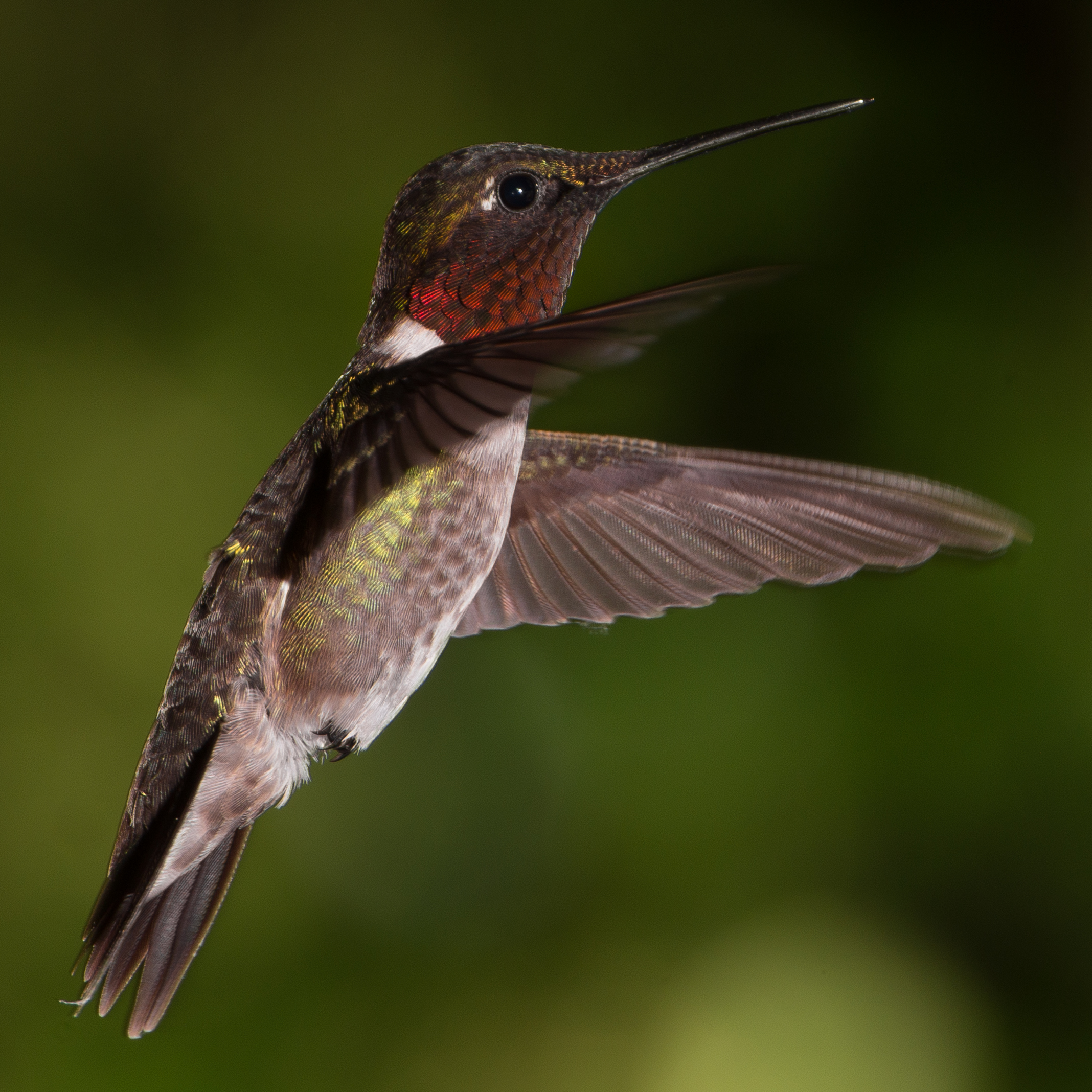
Pslawinski, CC BY-SA 4.0 https://creativecommons.org/licenses/by-sa/4.0, via Wikimedia Commons
Casting Shadows: A Reflection on Human Progress and Ecological Fragility
Casting Shadows serves as an exploration of the delicate balance between human progress and the fragility of ecosystems, specifically bird populations, to highlight the dangers posed by human-made structures to wildlife. It emphasizes the urgent need for conservation efforts by addressing the impact of human development, industrialization, and consumerism on the natural world, particularly focusing on birds as symbols of ecological vulnerability in the Anthropocene era. It is a direct reflection of how our ever-growing presence on Earth, beginning with the Industrial Revolution and continuing to the present day’s pervasive plastic consumption, has disrupted the natural world. Drawing on research from diverse sources, the exhibition underscores the urgent need for conservation efforts and the role we all play in shaping a more sustainable future.
In The Sixth Extinction: An Unnatural History, Elizabeth Kolbert introduces a stark reality that forms the foundation of Casting Shadows, as we are in the midst of a mass extinction event caused by human activity. Kolbert defines the current epoch as the Anthropocene, where human actions have become the dominant force driving climate change, habitat destruction, and biodiversity loss. She explains, “Birds are facing change on a scale unknown in their evolutionary history. This is a result of the Anthropocene—the new epoch of man-made change that is contributing to what has been called the sixth mass extinction.” This statement encapsulates the core of Casting Shadows: the transformation of ecosystems, particularly for avian species, due to the overwhelming influence of industrialization, urbanization, and consumerism. In this context, birds have become tragic symbols of ecological vulnerability, their populations declining at a rate unparalleled in history.
Industrialization, which began with the Industrial Revolution, triggered a series of ecological shifts that continue to exacerbate species decline today. Kolbert’s work highlights how human activity has irrevocably altered the planet, with industrialization serving as the catalyst for the destruction of ecosystems. This shift in the human-environment relationship is evident in the loss of species, such as birds, whose natural habitats have been replaced by sprawling urban centers. This shift in the human-environment relationship is evident in the loss of species, such as birds, whose natural habitats have been replaced by sprawling urban centers. As noted by Brian Czech, Paul R. Krausman, and Patrick K. Devers in Economic Associations among Causes of Species Endangerment in the United States, urbanization is a major driver of species decline: “Urbanization endangers species by replacing habitat directly and depleting resources needed to support urban economies.” In urban areas, the destruction of native habitats, compounded by the creation of artificial environments that favor only the most adaptable species, accelerates the loss of biodiversity.
The material choices in Casting Shadows—glass, metal, and cement—are deliberate, reflecting the pervasive human influence on the environment through structures that, while symbolic of progress, contribute to the demise of natural habitats. These materials speak to the cold permanence of human-made objects that, much like urbanization, displace the natural world. The urban sprawl Kolbert describes in the Anthropocene illustrates how industrial growth has spread like an invasive species, consuming vast areas of land once home to countless species, including birds. By casting these works in glass and metal and depicting birds lost to building collisions on glass, the exhibition draws parallels between human ingenuity and the environmental costs that accompany it.
Casting Shadows touches on the environmental hazard of plastic consumption. While the exhibition is not solely focused on plastic waste, the pervasive influence of consumer culture, particularly the throwaway culture of plastic, plays a significant role in the degradation of ecosystems. Clive Hamilton, in Requiem for a Species, addresses how the culture of consumerism has fostered a disposable world, where products like plastic are ubiquitous. He writes, “Plastic, which has come to symbolize our disposable culture, is now so ubiquitous that it clogs the oceans, poisons wildlife, and enters the food chain in a way that is not yet fully understood.” This is a stark reminder of how our consumption habits are directly linked to ecological harm, including the destruction of habitats that birds rely on for survival.
The symbolism of glass—fragile yet durable—is particularly fitting in this context. Birds, often seen as fragile creatures, face the cumulative pressures of habitat destruction, pollution, and the spread of non-native species—all direct consequences of human advancement. As Hamilton further elaborates, our economies, designed to foster growth, have instead become mechanisms of environmental destruction. “We are all trapped in the ‘growth machine,’ which we thought we had built to enhance our own ends, but which has taken on a life of its own, resisting fiercely the slow awakening to its perils of the humans it is supposed to serve.” In this way, the exhibition speaks to the paradox of progress: our innovations, designed to improve human life, often come at the expense of the natural world.
Through Casting Shadows, I aim not only to explore these critical environmental issues but also to spark conversation about conservation. The exhibition serves as a reminder that human progress—through industrialization, urbanization, and consumerism—often undermines the very ecosystems that sustain life. The casting process itself—creating forms that are both fragile and permanent—mirrors the precariousness of the world’s species and ecosystems, while also reflecting the environmental toll of industrial practices, such as the energy consumption and material waste often associated with casting methods. The fragility of bird populations, alongside the overwhelming presence of human-made materials, highlights the urgency of rethinking our role in preserving the planet for future generations. The dialogue sparked by Casting Shadows hopes to inspire both individual and collective reflection and action toward a more sustainable future, where the delicate balance between progress and preservation is restored.
In conclusion, Casting Shadows is not just an artistic representation of the environmental crisis, but a call to action, inviting us to reconsider how our progress impacts the natural world and urging us to take responsibility for safeguarding the fragile ecosystems we share with countless other species. Through this work, the fragility of bird populations becomes a metaphor for the broader environmental challenges we face in the Anthropocene.