
Black Skimmer (Rynchops niger)
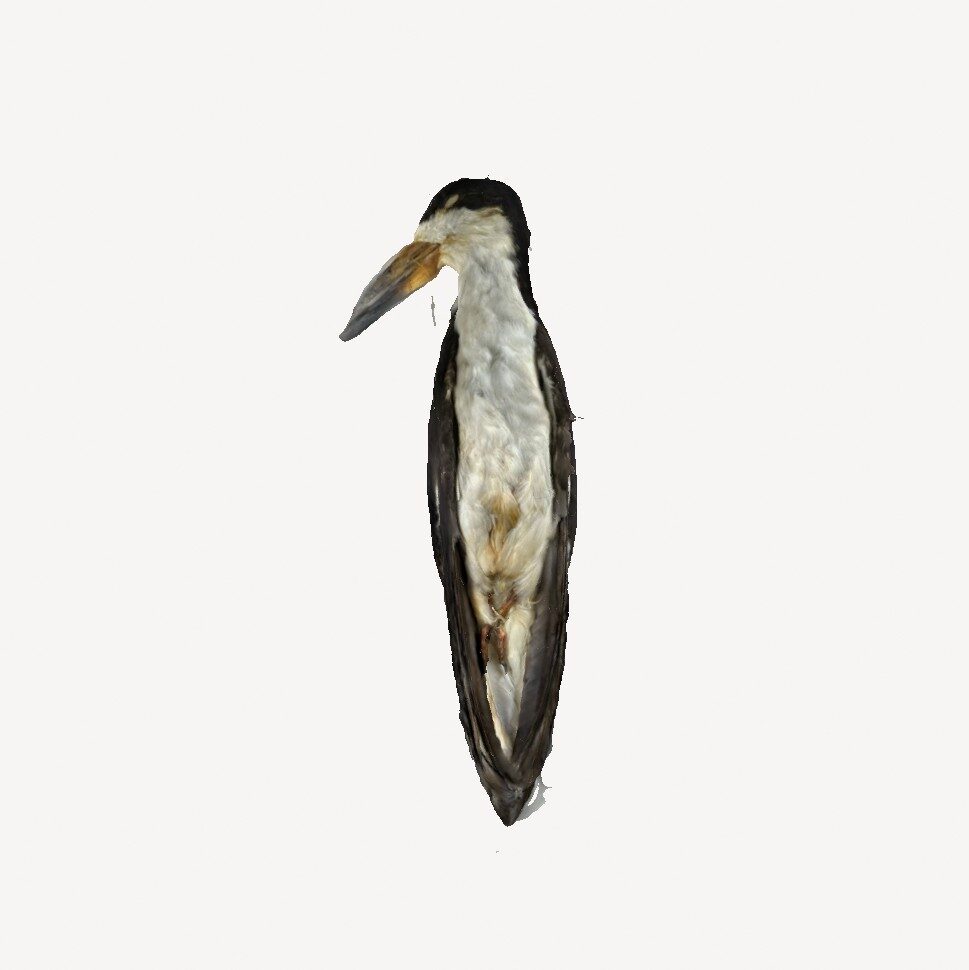
*Scan provided by artist, Mandy Bass.
Specimen collection provided by the North Carolina Museum of Natural Sciences.
Listed Status: Special Concern: 2016 (North American populations were added to the State of the Birds Watch List, highlighting species at risk without conservation action). Proposed to be listed as Threatened in 2023 due to significant population declines in North Carolina.
Range: The Black Skimmer is found only in the Americas. Breeding along the Atlantic, Gulf, and lower Pacific coasts. In winter, many migrate as far south as Central and South America, though some remain year-round from North Carolina’s Outer Banks through Florida and around the Gulf Coast into Mexico. Small numbers also winter in parts of California.
Habitat: Black Skimmers rely on sandy or gravelly bars and beaches, shallow bays, estuaries, and salt-marsh pools for nesting and feeding.
Human Impact: Coastal development and human disturbance are major threats to Black Skimmers. Activities like walking, driving, or allowing dogs to run unleashed through nesting areas can easily destroy their exposed nests. Pollution and threats to fish populations, such as oil spills or chemical contamination, also impact their survival.
Significant Events: Black Skimmers, with their striking orange-and-black bills, are familiar sights along North Carolina’s beaches, where they nest directly on the open sand and skim calm waters for food. However, their numbers have declined by half in North Carolina since 1999. Similar declines have been reported in South Carolina and Virginia. In response, North Carolina has proposed elevating the Black Skimmer’s conservation status from “Special Concern” to “Threatened,” a move aimed at boosting protections and focusing conservation efforts to help stabilize their populations.