
Whooping Crane (Grus americana)
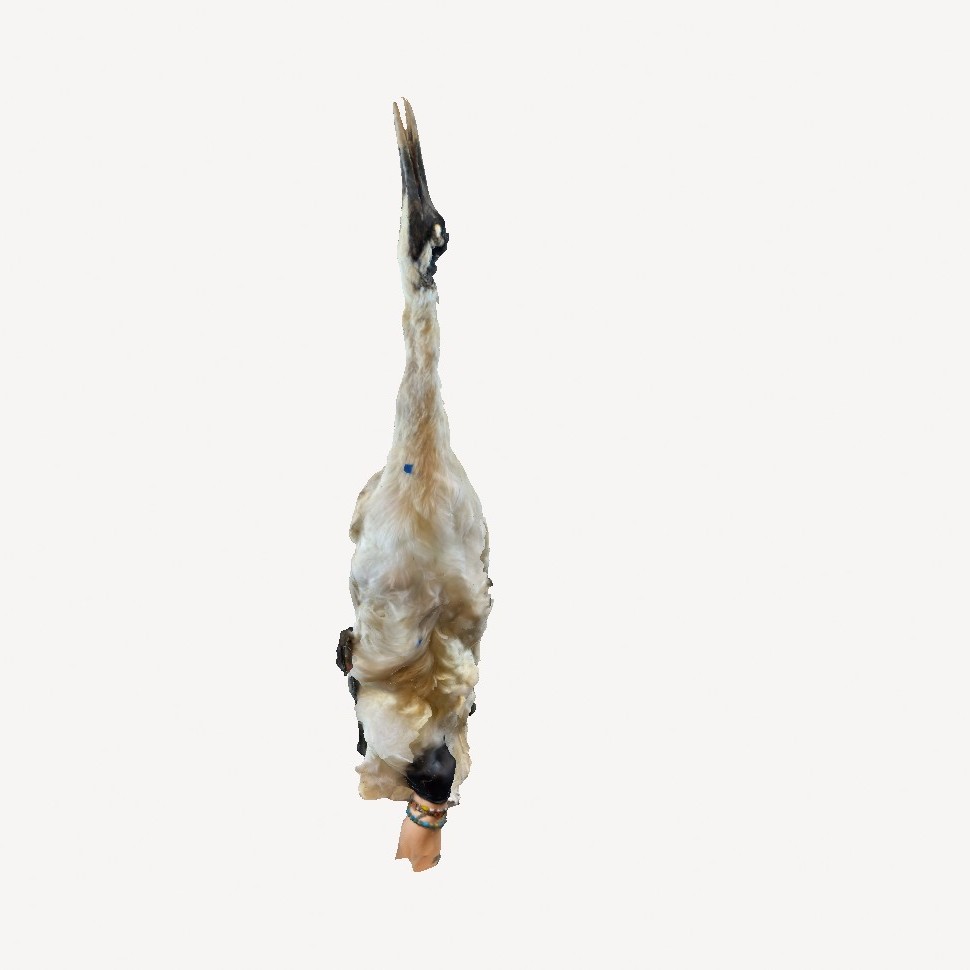
Listed as Endangered: 1970
Range: Historically, whooping cranes bred throughout the upper Midwest and northwestern Canada, migrating south to the Gulf Coast near Texas for the winter. Today, there are two migratory populations and one non-migratory population. The largest and only natural migratory flock breeds in Wood Buffalo National Park in Canada and winters at the Aransas National Wildlife Refuge in Texas. Another migratory population, established through reintroduction efforts, breeds in Wisconsin’s Necedah National Wildlife Refuge and winters in Florida’s Chassahowitzka National Wildlife Refuge. The non-migratory population resides year-round near Kissimmee, Florida.
Habitat: Whooping cranes rely on wetlands, marshes, mudflats, wet prairies, and fields. These shallow water habitats provide food sources like small fish, crustaceans, and aquatic plants. Maintaining healthy wetlands is critical for their survival.
Human Impact: Habitat loss from wetland drainage, agricultural expansion, and urban development has significantly reduced whooping crane populations. Additionally, unregulated hunting in the 1800s and early 1900s pushed the species to the brink of extinction. By 1941, only 15 whooping cranes remained. Conservation efforts, including habitat protection, captive breeding programs, and reintroduction initiatives, have helped the population recover. However, continued habitat degradation, collisions with power lines, and the effects of climate change remain threats to their survival.
Significant Events: The whooping crane was listed as endangered in 1970 under the Endangered Species Act. Intensive conservation efforts began shortly after, including the establishment of the International Crane Foundation and captive breeding programs. The species’ population has since grown to over 800 individuals. The successful creation of non-migratory and reintroduced migratory populations marks a significant milestone in its recovery, although it remains one of North America’s most endangered birds.
Fun Facts: Standing approximately five feet (1.5 meters) tall with a 7.5-foot (2.3-meter) wingspan, whooping cranes are the tallest birds in North America. Despite their height, they are lean, weighing only about 15 pounds (6.8 kilograms).